Methods
Forestry Mulching vs Traditional Land Clearing
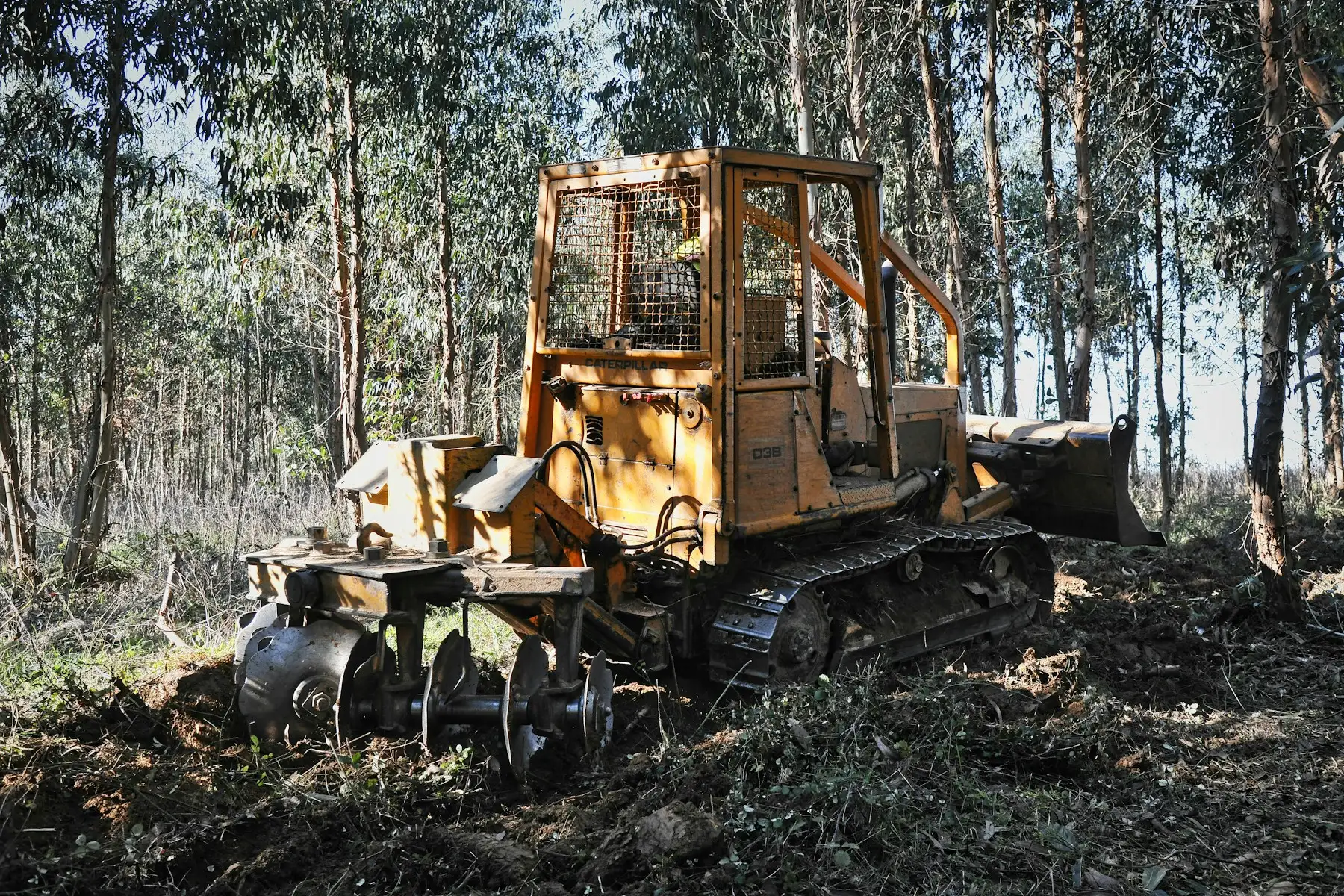
Most of the argument between these two methods disappears once you answer one question: is anything getting built on this ground?
If yes, you need traditional clearing. If no, mulching is usually cheaper, faster, and easier on your dirt. Everything below is the detail behind that.
What each method actually does
Forestry mulching is one machine with a rotating drum of carbide teeth. It grinds standing brush and trees into chips where they stand, and the chips stay on the ground as a mulch layer. Nothing is stacked, loaded, or hauled. The stumps stay in the ground, ground down flush or a few inches below grade.
Traditional clearing is a sequence: trees come down, a dozer or excavator pushes and piles the material, stumps get grubbed out with the root ball, and the debris is burned or trucked off. Several machines, several passes, and a disposal plan.
They are not competing versions of the same job. They produce different ground.
Head to head
| Forestry mulching | Traditional clearing | |
|---|---|---|
| Cost per acre | $1,200 – $5,000 | $4,500 – $10,000+ |
| Stumps | Stay in the ground | Grubbed out |
| Debris | Stays as mulch | Burned or hauled off |
| Soil disturbance | Minimal | Significant |
| Erosion risk after | Low — mulch holds soil | High — bare dirt |
| Machines on site | One | Two to four |
| Typical pace | 0.5 – 2 acres/day | Slower, more passes |
| Ready to build on | No | Yes |
| Wet-ground tolerance | Good | Poor |
Where mulching wins
Cost, on the right tract. No hauling, no tipping fees, no burn permit, one machine instead of a fleet. On light to moderate growth that is a large saving.
Your topsoil stays put. A dozer strips vegetation and a good deal of topsoil with it. A mulching head cuts at and above grade and leaves the soil structure intact, which matters a lot on CSRA red clay that erodes the moment it is bare.
Erosion control is built in. The mulch layer is the erosion control. On a slope that has just been cleared, that is worth real money and sometimes keeps you out of a more involved sediment-control setup.
Selective clearing is easy. An operator can take the sweetgum and underbrush and leave the mature hardwoods standing. Try that with a dozer and you will damage roots on everything you meant to keep.
It works when the ground is soft. Mulching machines are tracked and light on the ground. Traditional clearing on a wet Georgia winter site turns the site into ruts.
Nothing to schedule around. No burn permit, no dumpster, no truck cycle.
Where mulching loses
You cannot build on it. The stumps and root systems are still there. Nothing structural — slab, footing, driveway, pool — goes over a root ball, because it rots, leaves a void, and the ground settles. This is the disqualifier, and it is not negotiable.
Big trunks stop it cold. Mulching heads are efficient up to roughly eight to ten inches in diameter. Past twelve to fourteen inches, cutting slows dramatically and the cost advantage evaporates. A mature hardwood stand is not a mulching job.
The mulch layer is in your way if you want grass now. Four inches of chips is great erosion control and a poor seedbed. Chips also tie up nitrogen as they break down. If the goal is pasture or lawn this season, that layer has to be managed.
Sweetgum and privet come back. Cutting the top off does not kill the root system. Species that sucker will resprout, and mulched ground usually needs a follow-up pass in year two or a herbicide plan.
It does not fix your grade. Mulching is not earthmoving. If the ground needs leveling or drainage shaping, that is grading, and it is a separate job either way.
Picking by what you want the land to do
Building a house, shop, or addition → Traditional clearing, stumps grubbed. See site preparation.
Reclaiming an overgrown field or pasture → Mulching, almost every time. Then brush clearing maintenance passes after.
Firebreaks and defensible space → Mulching. Fast, and the chip layer is not a fire load the way a slash pile is.
Hunting lanes, trails, food plots → Mulching. Selective by nature.
Fence lines and property boundaries → Mulching for the clearing, then stump work only where posts are going.
Selling a wooded lot → Mulching. It makes the land visible and walkable at a fraction of the cost, and it leaves the buyer their options.
Clearing a building lot for sale → Depends on your buyer. A builder wants it grubbed. Everyone else would rather not pay for it.
The hybrid nobody quotes you
On most real jobs the right answer is both, applied to different parts of the tract.
A five-acre parcel with a house going on one acre does not need five acres of full clearing. Grub and grade the building envelope and the driveway. Mulch the other four for access and appearance. You get a buildable pad where you need one and pay mulching rates for everything else.
This is routinely the cheapest correct answer, and it rarely appears on a quote unless you ask for it — a contractor pricing “clear five acres” will usually price five acres of the same thing.
What decides it on your ground
Four things, in this order:
- What is going on the ground afterward. Structural means grubbing. Nothing else does.
- Trunk diameter of what is standing. Above roughly a foot, mulching stops being the cheap option.
- Slope. Steep and bare is an erosion problem; mulch is the built-in answer.
- Timeline. Mulching is one machine and no disposal logistics, so it typically starts and finishes sooner.
If the answer to the first one is “nothing, I just want it usable,” you are almost certainly looking at a mulching job — and paying traditional clearing rates for it would be the expensive mistake here.
Tell us the address, the acreage, roughly what size the trees are, and what you want the ground to do afterward. That is enough to say which method your tract needs and what it runs.