Planning
The Best Time of Year to Clear Land in Georgia
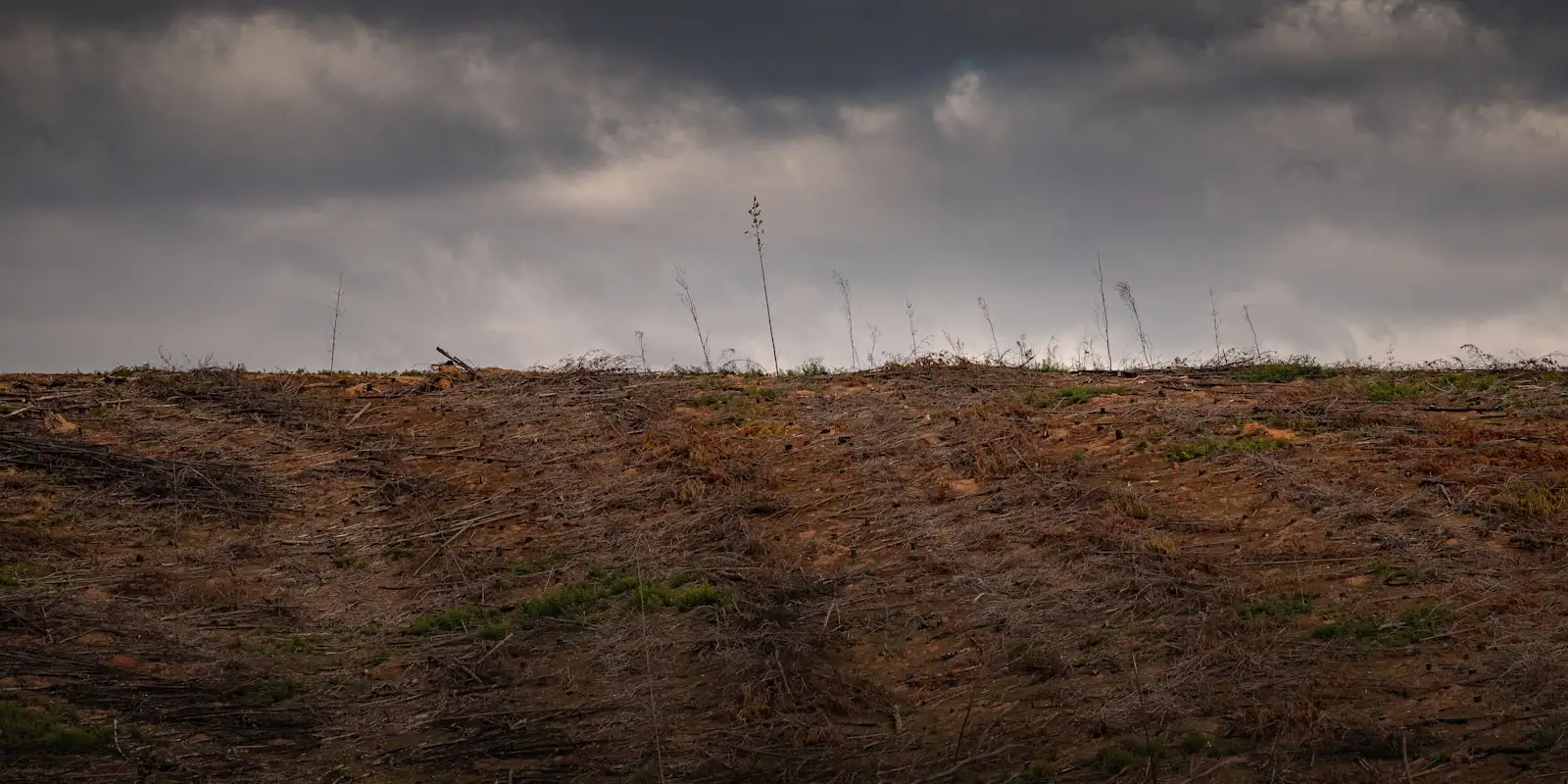
Land clearing runs year-round in Georgia. But the season you pick changes what the work costs, how it goes, and in some cases whether the result actually holds.
For most CSRA jobs, late winter is the best window — roughly January through March. Here is the reasoning, and the cases where it does not apply.
Why winter usually wins
You can see what you are doing. Deciduous growth is bare. Property lines, terrain, drainage, old fence, dumped trash, and the trees actually worth keeping are all visible. Selective clearing in July means an operator working half-blind through foliage.
Nothing is trying to bite you. No snakes, no ticks, no yellowjacket nests, no poison ivy in leaf. On overgrown ground this is not a small thing.
Dormant plants fight back less. Sweetgum, privet, and other aggressive resprouters are less vigorous when cut dormant. It does not stop resprouting, but it starts the follow-up battle from a better position.
Crews are available. Winter is the slow season. Better scheduling, more attention, and often better pricing than the spring rush.
It is not 95 degrees. Operators work longer and better. On a day-rate job that is your money.
Ground cover recovers on your timeline. Clear in late winter and you can seed straight into spring, so bare clay is exposed for weeks rather than months.
What winter costs you
Wet ground. This is the real one. Georgia red clay does not drain, and a saturated site either waits or gets rutted. Winter is the wettest stretch of the year in the CSRA, so winter jobs get weather delays.
Tracked mulching equipment handles soft ground far better than wheeled machines or a dozer-and-truck operation, which is part of why mulching is the more weather-tolerant winter choice.
Short days. Fewer working hours per day on an hourly job.
Season by season
Late winter — January to March
Best overall. Bare visibility, no pests, dormant regrowth, good availability, and seeding season starts right as you finish. Plan around rain and this is the window.
Spring — April to May
Workable, and busiest. Ground firms up and days get long. But everyone books now, foliage is filling in, and pests are waking up. Prices are at their strongest and lead times at their longest. Book well ahead.
Summer — June to August
Dry ground, hard conditions. The firmest ground of the year, which matters for grading and pad work where you need compaction. Against that: heat, full foliage, snakes and ticks at peak, and bare clay baking in the sun where nothing will germinate until autumn.
Summer is also when a seasonal open burning ban applies across a large number of Georgia counties, generally May 1 through September 30. Whether yours is included is worth confirming before you assume burning is an option — see the permit guide.
Autumn — September to November
A solid second choice. Heat breaks, leaves start dropping, ground is usually still firm, and pest pressure falls off. Good conditions with less competition for crews than spring. The main constraint is that grass seeded in late autumn may not establish before cold.
December
Fine, weather permitting. Dormant and quiet. Holidays compress the calendar and rain decides the rest.
When the season should not drive your decision
A builder is waiting. Construction schedules beat seasonal optimization every time. Clear when the build needs it.
You are mulching, not grubbing. Mulching is far less weather-sensitive: tracked machines, no haul cycle, no exposed soil afterward. The seasonal argument matters much less.
It is a small residential lot. On a half acre the differences are marginal.
The land is a hazard now. Overgrowth against a structure, a fire risk, or a blocked drainage line is a today problem.
Permits are pending. The county sets your start date, not the calendar. On permitted work, timing is largely out of your hands anyway — see how long clearing takes.
The part people skip: what happens after
Clearing does not end when the machines leave. Bare red clay on any kind of slope erodes with the first real rain, and in Georgia that is a permit issue as well as a soil issue.
So the seasonal question is really two questions: when to clear, and when the ground will be covered again. Clearing in late winter and seeding in early spring keeps that gap short. Clearing in June and waiting until September to establish cover means a whole summer of exposed clay.
If the plan is pasture or lawn, work backwards from the seeding window. That usually lands you in late winter, which is the same answer as everything above.
Tell us the address, the acreage, and what the ground is for afterward. If waiting two months would get you a materially better result, you will hear that.